
Under the theme:
Leading Forward - Where Global Vision Meets Local Impact
Reimagining Educational Leadership in an Interconnected World
Date
Saturday, October 10, 2026
Time
4:00 - 8:30 PM (Makkah)
Platform
Online via Zoom
Language
Arabic & English (Live)
Countdown to Conference
Conference Vision & Rationale
NEAR organizes the 4th edition of the International Conference on the Educational System under the theme: “Leading Forward -Where Global Vision Meets Local Impact: Reimagining Educational Leadership in an Interconnected World.” Today's reality shows that educational systems operate in an increasingly interconnected environment where knowledge, technology, economies, and societies continuously interact, while educational challenges increasingly transcend institutional and national boundaries. However, global challenges do not necessarily require universal solutions. The effectiveness of educational leadership remains closely linked to leaders’ capacity to understand their local contexts, recognize the cultural and social needs of their communities, and translate international knowledge and experience into relevant, context-sensitive, and actionable responses.
The conference therefore positions the relationship between the global and the local at the heart of contemporary educational leadership.
Through its four major strands—Digital Leadership and Innovation; Equity and Access; Data-Driven Leadership and Institutional Foresight; and Collective Intelligence—the conference brings together global perspectives and local expertise. It creates a space where educational leaders, researchers, academics, and practitioners can exchange knowledge, critically interpret emerging developments, and translate them into practices that can lead education into the future.
Key questions the conference aims to address:
How can educational institutions learn from global developments without losing sight of the specificities of their own contexts?
How can global developments in technology, artificial intelligence, data, and innovation be harnessed to design solutions grounded in the realities and needs of local communities?

Previous Editions of ICES Conference
Explore programs and archives of previous conference editions on the official portal
1. Conference Objectives
Equipping educational leaders with globally informed yet locally applicable tools and perspectives in digital leadership, educational equity, sound governance, data-driven decision-making, and the well-being of educational actors.
Providing a platform for direct dialogue between regional educational decision-makers and international experts and practitioners.
Showcasing “leading regional” experiences and innovative solutions and addressing educational challenges in conflict-affected and resource-constrained contexts.
Supporting the production and dissemination of applied educational research to inform evidence-based educational policies.
Developing practical recommendations and an actionable roadmap that educational institutions can adopt following the conference.
3. Conference Strands
Digital Leadership & Innovation
How can educational leaders lead digital transformation and AI in ways that realize genuine educational value?
This strand examines how artificial intelligence is reshaping educational leadership, particularly as knowledge production, data use, decision-making, and teaching and learning practices undergo profound shifts. The discussion moves beyond the question of “how to use technology” to a more fundamental inquiry: what aspects of education should institutional leadership actively direct, and what dimensions must remain essentially human? Digital transformation is no longer simply a technical matter; it has become an issue of leadership, governance, and long-term vision. The central challenge lies in building institutions capable of discernment, strategic direction, and meaning-making, rather than merely adapting to externally driven technological changes.
Global Academic Leaders & Experts Shaping the Future
Featuring distinguished researchers and educational specialists from leading institutions across the USA, Hong Kong, UAE, Türkiye, Jordan, Qatar, Palestine, and Morocco.

Prof. Khalid Arar, Ph.D.
Professor of Educational Leadership and Policy
College of Education, Texas State University

Dr. Jiafang Lu
Associate Professor & Co-Director of APCLC
The Education University of Hong Kong (EdUHK)
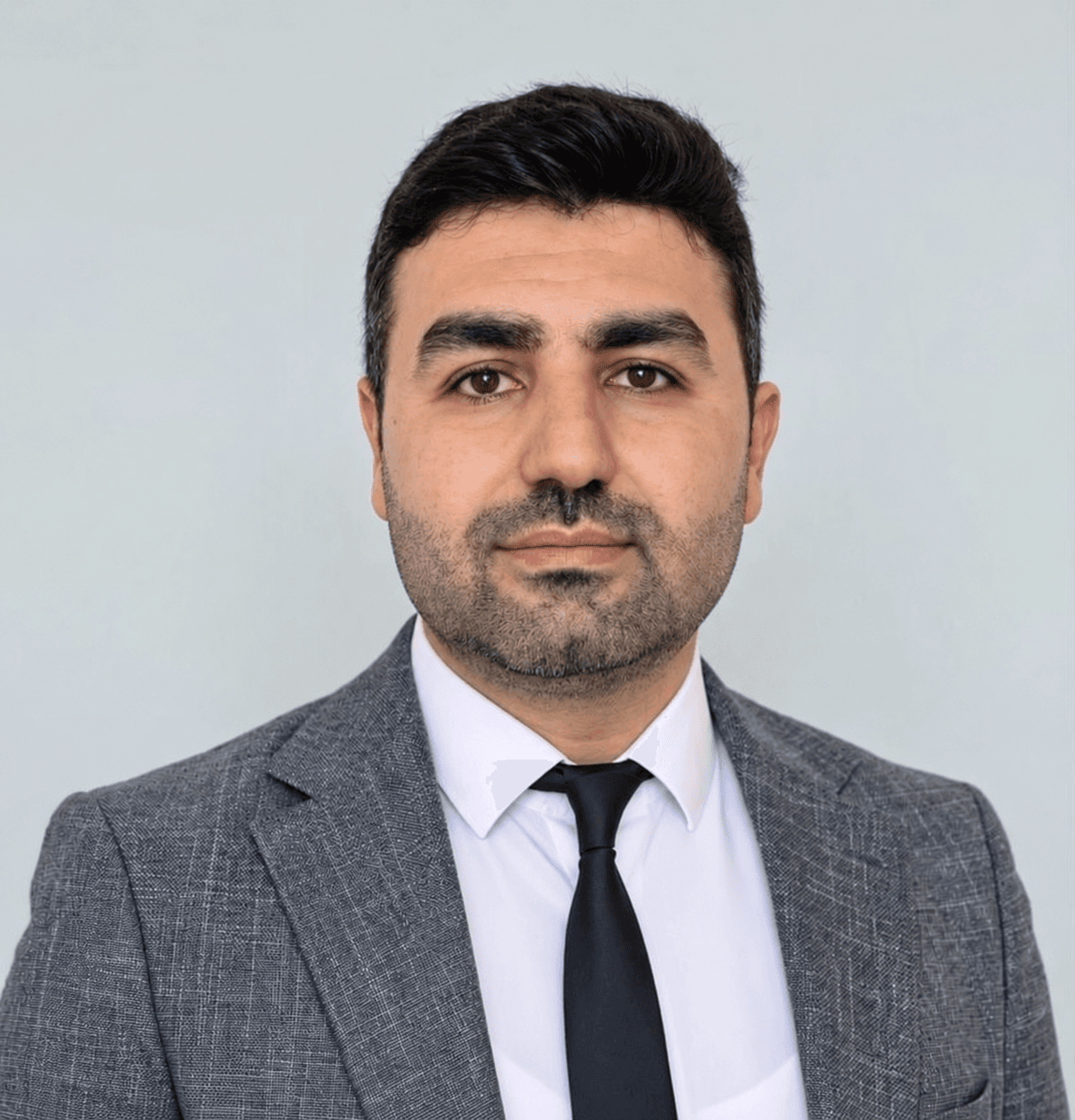
Prof. Dr Mehmet Şükrü Bellibaş
Professor of Educational Leadership
University of Sharjah, UAE & Fatih Sultan Mehmet Vakıf University, Türkiye
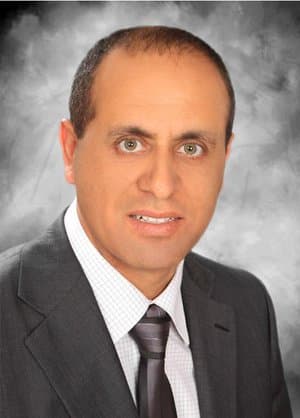
Dr. Soheil Salha
Associate Professor of Curriculum and Instruction (Educational Technology)
An-Najah National University

Dr. Julia Mahfouz
Associate Professor in Educational Leadership
University of Colorado Denver

Dr. Youmen Chaaban
Research Associate Professor
Educational Research Center, College of Education, Qatar University

Dr Paul Campbell
Assistant Professor of Educational Administration and Leadership
Faculty of Education, University of Hong Kong

Prof. Razane Chroqui
Full Professor - Hassan First University, Fulbright Visiting Scholar Alumna
Hassan First University - Morocco
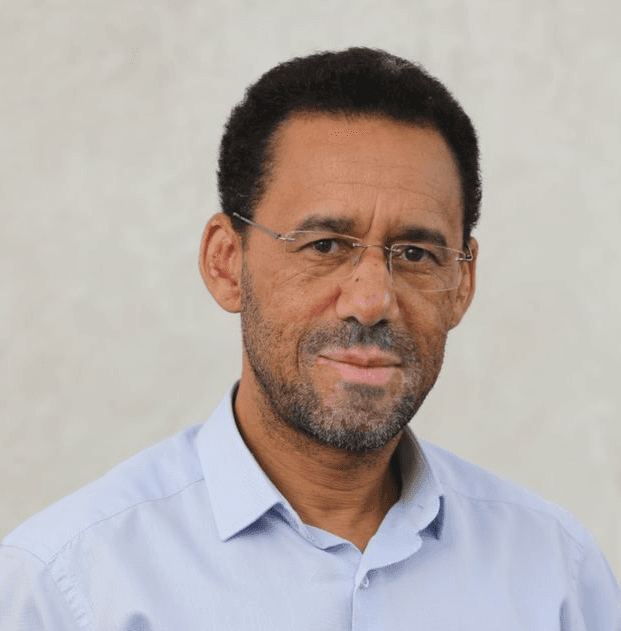
Prof. Jaouad Dabounou
Professor at Hassan 1st University (FST of Settat)
Hassan 1st University (FST of Settat) - Morocco

Ghiath Hawari
Strategy Design & Leadership Development Consultant
Founder of Sabr Business Design & Innovation Labs
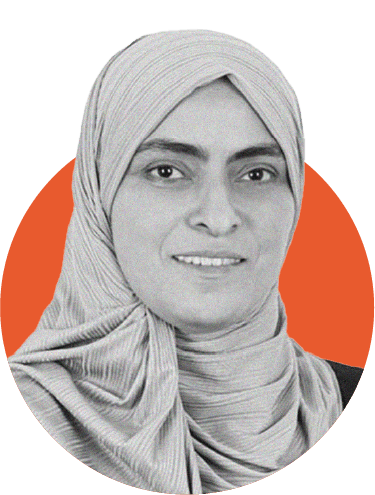
Dr. Rania Sawalhi
Faculty Member, Department of Educational Leadership and Foundations
College of Educational Sciences, The University of Jordan
5.Schedule
Saturday, October 10, 2026, 4:00 – 8:30 PM
Opening
Keynote: Educational Leadership in the Age of Artificial Intelligence and Digital Transformation
Prof. Khalid Arar, Ph.D.
College of Education, Texas State University
Research Paper 1: From Digital Transformation to Institutional Transformation: What Can We Learn from Global Experiences?
Dr. Soheil Salha
An-Najah National University
Research Paper 2: Artificial Intelligence and the Future of Educational Leadership: Opportunities, Risks, and wellbeing
Dr. Julia Mahfouz
University of Colorado Denver
Keynote: Bangfu Policy and Practice in China: What drives and sustains expert principals to uplift other weak schools?
Dr. Jiafang Lu
The Education University of Hong Kong (EdUHK)
Research Paper 1: Who advocates for non-Arabic-speaking students in a centralized system? A leadership for social justice perspective
Dr. Youmen Chaaban
Educational Research Center, College of Education, Qatar University
Research Paper 2: Leading the Flow of Knowledge: Making Educational Research Accessible, Relevant, and Actionable
Dr Paul Campbell
Faculty of Education, University of Hong Kong
Keynote: Use of Artificial Intelligence in Educational Leadership: Implementation Ideas, Challenges and Ethical Issues
Prof. Dr Mehmet Şükrü Bellibaş
University of Sharjah, UAE & Fatih Sultan Mehmet Vakıf University, Türkiye
Research Paper 1: From Educational Analytics to Strategic Foresight: Utilizing Artificial Intelligence to Decipher Future Signals
Prof. Razane Chroqui
Hassan First University - Morocco
Research Paper 2: The Smart School/University: Building a Data- and AI-Driven Decision-Making Ecosystem
Prof. Jaouad Dabounou
Hassan 1st University (FST of Settat) - Morocco
Workshop: Leading the Future through Collective Intelligence
Ghiath Hawari
Founder of Sabr Business Design & Innovation Labs
Closing Session: From Dialogue to Action
Session Moderator: Dr. Rania Sawalhi
2. Target Audience
The conference is intended for:
School principals and school leadership professionals.
University and higher education institution leaders (deans, vice presidents, quality assurance directors).
Researchers and academics working in educational leadership and education policy.
Representatives of international and regional organizations operating in the education sector.
Representatives of the private sector, educational technology companies, supporting organizations, and funding agencies.
Postgraduate students and early-career researchers in educational leadership and educational management.
Expected Conference outcomes
A concise recommendations document summarizing the principal outcomes of the four conference strands, accompanied by an action roadmap for relevant stakeholders.
A sustainable professional networking platform connecting participating educational leaders, researchers, academics, and practitioners.
Certificates of attendance and participation for speakers, researchers, and conference participants.
A comprehensive final conference report to distribute among partners and use as a foundation for developing the next edition of the conference.
The best research papers presented and accepted at the conference will be considered for publication in the Journal of Performance Management.
Communication & Registration
Saturday, October 10, 2026 | from 4:00 to 8:30 PM
Fully online, one-day conference
Zoom Registration Link
